

Blog

Top 5 Key Facts About Powers of Attorney: What You Should Know
When planning for the future, one of the most essential legal documents you can have is a Power of Attorney (POA). Whether you’re preparing for your peace of mind or helping an aging loved one, understanding how a POA works—and what can go wrong without one—is critical. Here are five…
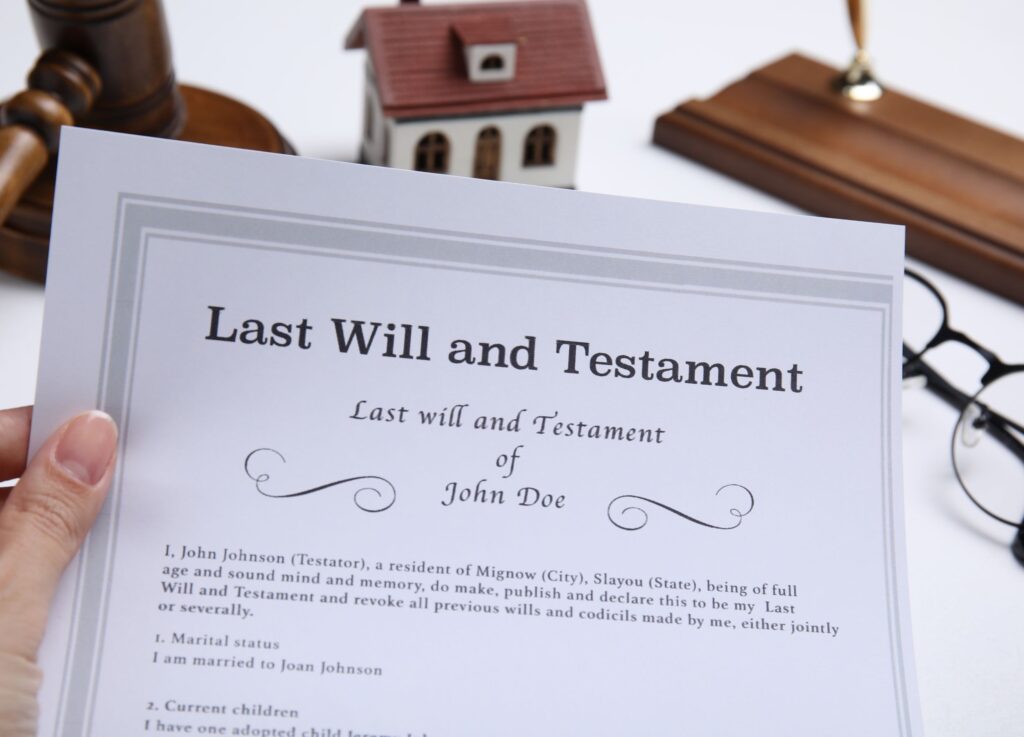
8 Critical Things People Forget to Include in Their Will
As an estate planning attorney, I’ve seen firsthand how even carefully drafted wills can have significant oversights. While most people remember to address major assets like homes and financial accounts, certain important provisions are frequently overlooked. These forgotten elements can create unnecessary stress, conflict, and expenses for your loved ones…

Key Parties to a Trust
This article will focus on some of the key parties to a trust. There are generally three parties to a trust; the grantor, trustee, and beneficiaries. The Grantor or Settlor is the person that creates the trust. This person will discuss with their attorney their wishes for the trust and…

Timing Matters: Estate Planning Lessons from Gene Hackman
Recent news about Gene Hackman and his wife Betsy’s passing has highlighted a crucial but often overlooked aspect of estate planning—the timing of death between spouses, especially in blended families. I’ve seen how this timing can significantly impact inheritance outcomes and potentially create complications for heirs. The Hackman Case: Why…

How the SECURE Act 2.0 Affects Your Retirement Account and Beneficiaries
The SECURE Act 2.0, signed into law in 2022, introduced significant changes to retirement accounts, impacting everything from Required Minimum Distributions (RMDs) to beneficiary inheritance rules. These updates are crucial for individuals planning their estates as they affect how retirement assets are distributed and taxed after death. As a New…

What Is a Testamentary Trust?
When planning for the future, most people are familiar with the concept of a will. A will lets you state who should receive your assets after you pass away. However, a will alone might not be enough when your loved ones have specific needs—whether due to age, financial instability, or…