

Blog

When is the Best Time to Consider Life Insurance?
When you’re in your 20s or 30s, “estate planning” might sound like something only for the wealthy or much older generations. However, including life insurance as part of your comprehensive estate plan during your younger years is one of the smartest financial decisions you can make. It’s not just about…
Do I Need a Will If I Don’t Have Children?
It’s a common misconception: if you don’t have children, you might think a will isn’t necessary. After all, who are you leaving things to? However, an experienced estate lawyer will tell you that having a will is crucial for everyone, regardless of their family structure and a trust is even…
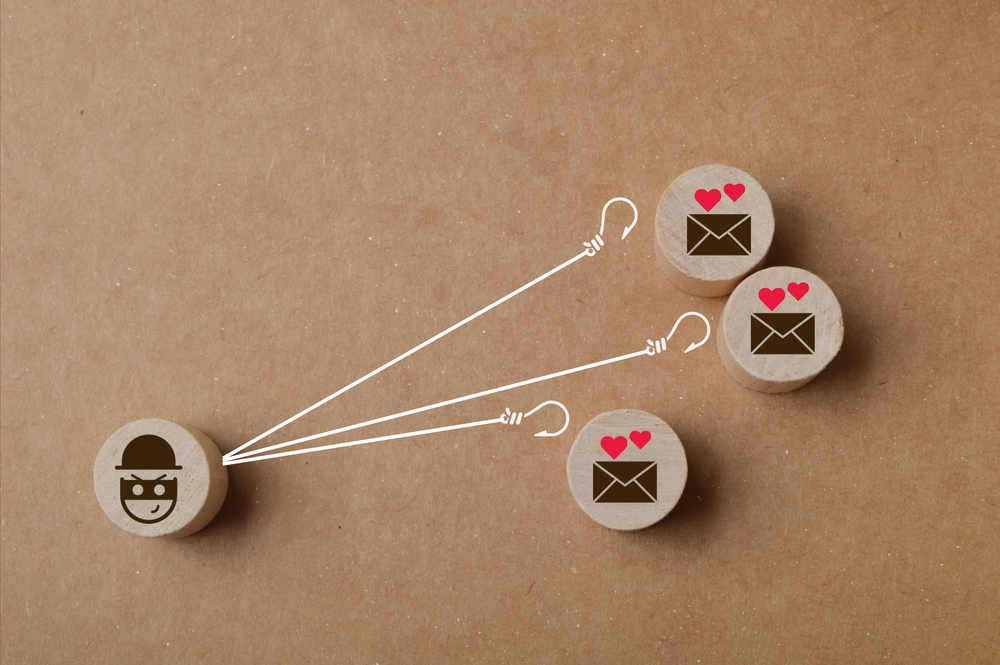
Romance Scams: If Your Heart Is Open to Love
Scammers often target those who are emotionally open and financially secure. In Brooklyn, more older adults are falling victim to online romance scams. While a list of romance scammer names might sound useful, these criminals regularly change identities. The key is learning how these scams work and spotting red flags…

Legal Considerations When Opening a Trust Bank Account
At Miller & Miller, we know that opening a trust bank account isn’t just paperwork—it’s a critical part of protecting assets and fulfilling your responsibilities as a trustee. In Brooklyn, this process means aligning state requirements with a bank’s internal procedures. Meeting trustee bank account requirements is essential for keeping…
Navigating the Pros and Cons of Splitting Decision-Making Powers in Your Estate Plan
Some clients wonder if they should divide decision-making responsibilities among adult children or other trusted helpers in their estate plan. I often discuss scenarios where one person might serve as financial power of attorney while another handles healthcare decisions. While there’s nothing inherently wrong with this approach, understanding the potential…

How Can I Protect My Kids With Estate Planning?
As a father of two beautiful little girls, there’s nothing I wouldn’t do to protect them. From holding their hands when they cross the street to comforting them during a thunderstorm, my instinct is to shield them from harm. But what if I weren’t here to do that? It’s difficult…