

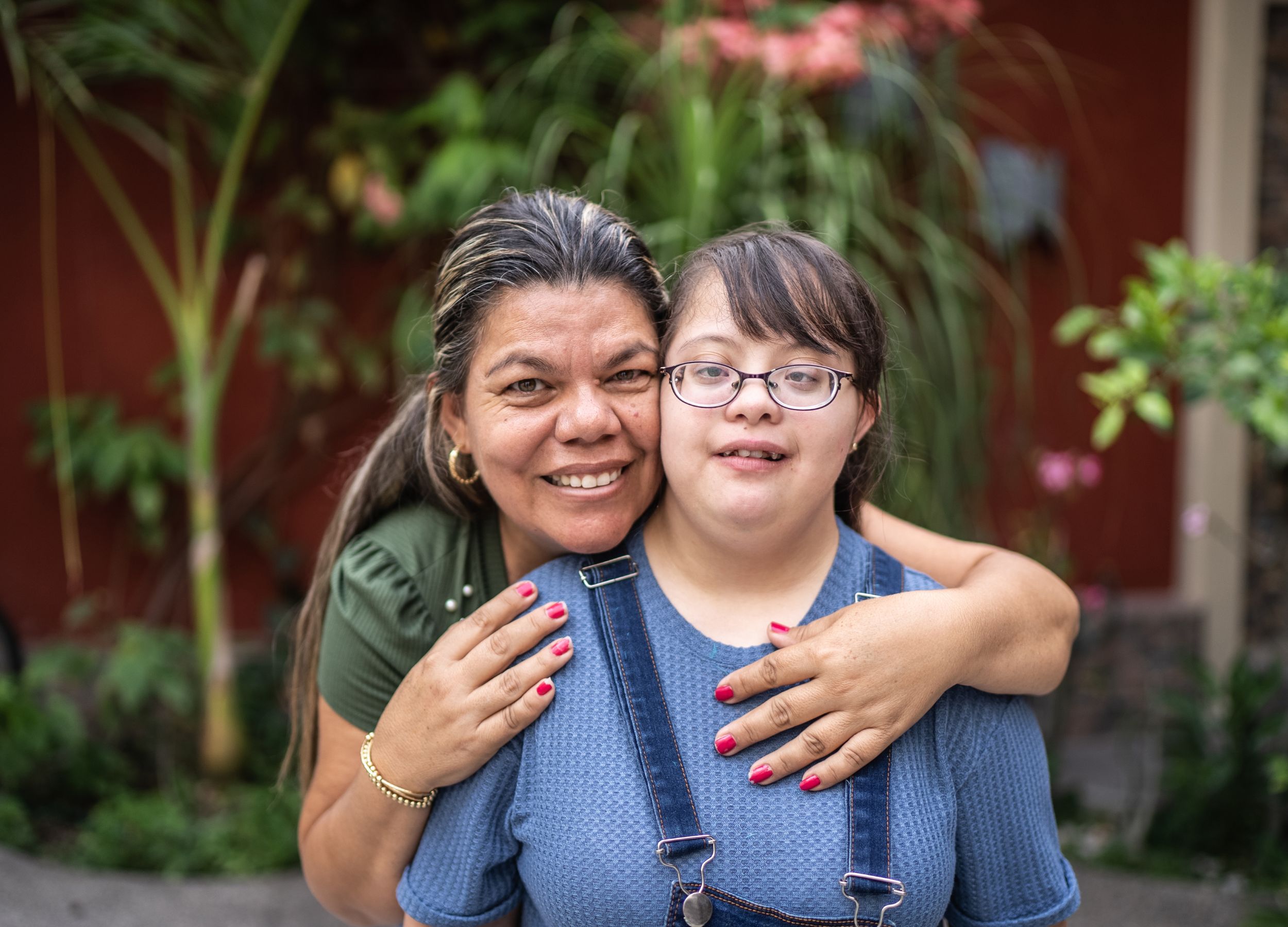
For families in New York who care for a loved one with special needs, caregiving is not just a role; it is often a full-time commitment built on years of trust, routine, and deeply personal knowledge. When that support is suddenly disrupted, the impact can be immediate and overwhelming.
Understanding the risks and planning ahead are among the most important things a special needs family can do.
Why Do Caregiving Arrangements Break Down?
Even the most devoted caregivers face circumstances beyond their control. A parent caregiver may face their own health crisis. An adult sibling who has been the primary support person may need to relocate for work. Burnout is real, and it affects family caregivers just as much as professional ones. In New York, where demand for qualified special needs caregivers continues to grow, finding a replacement quickly is rarely simple.
For individuals with special needs, these disruptions are not just inconvenient. A sudden change in caregiver can mean lost routines, increased anxiety, and gaps in medical management that have real consequences for health and well-being.
What Happens When There Is No Backup Plan?
Families who have not planned for caregiver transitions often find themselves in crisis mode, making rushed decisions under pressure. They may not know what local resources are available, what their loved one’s legal protections are, or who has the authority to step in and advocate on their behalf. Without the right legal documents in place, even well-meaning family members may find their hands tied when they try to help.
This is why contingency planning is not optional for special needs families. It is essential.
What Legal and Practical Steps Can Families Take?
Working with an elder law or special needs planning attorney in New York is the starting point. A comprehensive plan should address several layers of protection:
A supplemental needs trust ensures funds are available for your loved one’s care without disqualifying them from vital government benefits like Medicaid or SSI. It can also serve as a repository for the detailed care instructions that only a primary caregiver holds.
A letter of intent captures the day-to-day knowledge that cannot be found in any legal document: routines, communication preferences, medical history, trusted providers, and personal preferences. This document gives any incoming caregiver a roadmap and can make an enormous difference in the quality of transitional care.
Guardianship or supported decision-making agreements ensure that a trusted person has clear legal authority to advocate for your loved one if they cannot fully do so themselves, without requiring a crisis to trigger the process.
Finally, families should identify and connect with local respite care providers, disability services, and community support organizations in New York before they are needed. Knowing your options in advance means you are not searching for answers at the worst possible moment.
The Best Time to Plan Is Before You Need To
Caregiving for a loved one with special needs is a long-term commitment, and the plan supporting that care needs to be just as durable. Regular reviews with a New York special needs planning attorney can help your family adapt as circumstances change and ensure your loved one always has the protection and continuity of care they deserve.
If you have questions or want to make sure the right safeguards are in place, we are here to help. Schedule a confidential consultation today. Be sure to mention this article during your consultation so we can focus on your specific concerns and guide you with personalized advice.
This article is a service of Miller & Miller Law Group. We do not just draft documents; we ensure you make informed and empowered decisions about life and death for yourself and the people you love.