

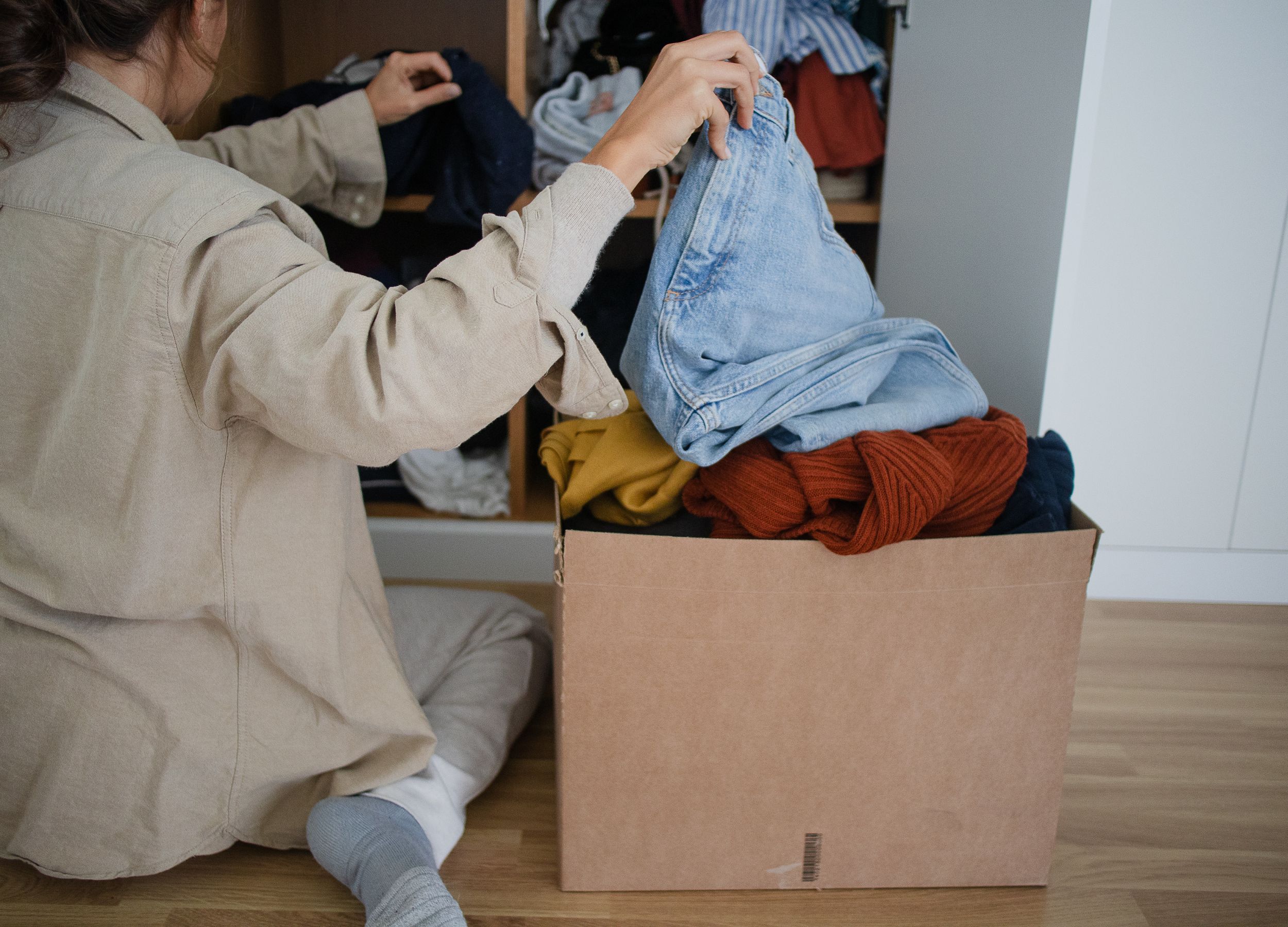
After someone dies, a common immediate question is: What do we do with everything in the house?
Family members may want to clean out the refrigerator, donate clothing, throw away old furniture, or start sorting through personal belongings. Sometimes the home needs to be secured or prepared for sale.
But moving too quickly can create problems.
Before you throw away, donate, sell, or give away property belonging to someone who died, understand who has legal authority to act for the estate and whether the property needs to be preserved.
Being Named Executor Is Not the Same as Being Appointed
A common misunderstanding is that the person named as executor in a will automatically has authority to administer the estate immediately after death.
In New York, a person named in a will does not have power or authority as executor until the person qualifies and letters testamentary are issued. Those letters provide evidence of the fiduciary’s authority.
That means family members should be cautious about assuming that because someone is “the executor,” they can immediately decide what happens to everything in the house.
Circumstances can differ when a trust or another form of estate administration is involved, which is another reason to identify the proper decision-maker before distributing property.
What Looks Like Junk May Actually Matter
A box of old papers may not look valuable, but it could contain a deed, insurance information, tax records, financial statements, account information, or an estate planning document.
The same is true of items that appear to have little monetary value. Jewelry, coins, artwork, tools, collectibles, photographs, family records, and other personal belongings may have financial or sentimental value.
Even an ordinary piece of furniture can become the center of a family disagreement if one child believes it was promised to them.
Before anything leaves the house, preserve the items that may have legal, financial, or sentimental significance.
What If Someone Has Already Taken Something?
Do not assume that taking an item means the issue is over.
If family members have already removed belongings, make a written list of what was taken and by whom. Photographs can also help document what was in the home.
That record can be useful later if beneficiaries disagree about what happened to estate property.
More importantly, open communication can prevent a small misunderstanding from becoming a larger probate dispute.
What Can You Safely Do?
Families may need to take practical steps right away.
You may need to secure the property, prevent damage, remove spoiled food, address an urgent maintenance problem, and protect valuables. But those actions are different from distributing the deceased person’s property.
Before donating furniture, selling jewelry, giving away collectibles, or filling a dumpster, find out who is legally responsible for administering the estate.
In New York, the answer may depend on whether there is a will, whether the will has been admitted to probate, whether a fiduciary has been appointed, and whether a trust or another transfer method is involved.
Give Yourself Time to Do This Carefully
Cleaning out a loved one’s home can feel like one more task to finish. But there is no prize for emptying the house first.
A few extra conversations and a careful inventory can protect the estate and reduce the likelihood of family conflict.
If you are handling a loved one’s belongings after a death in Brooklyn, Queens, Nassau County, or elsewhere in New York and are unsure what can safely be removed, sold, donated, or distributed, call our office at 718-875-2191 to see how we can help. Be sure to mention this article so we can focus on your specific concerns and guide you with personalized advice.
Attorney Advertising. This article is a service of Miller & Miller Law Group. We do not just draft documents; we ensure you make informed and empowered decisions about life and death for yourself and the people you love.