

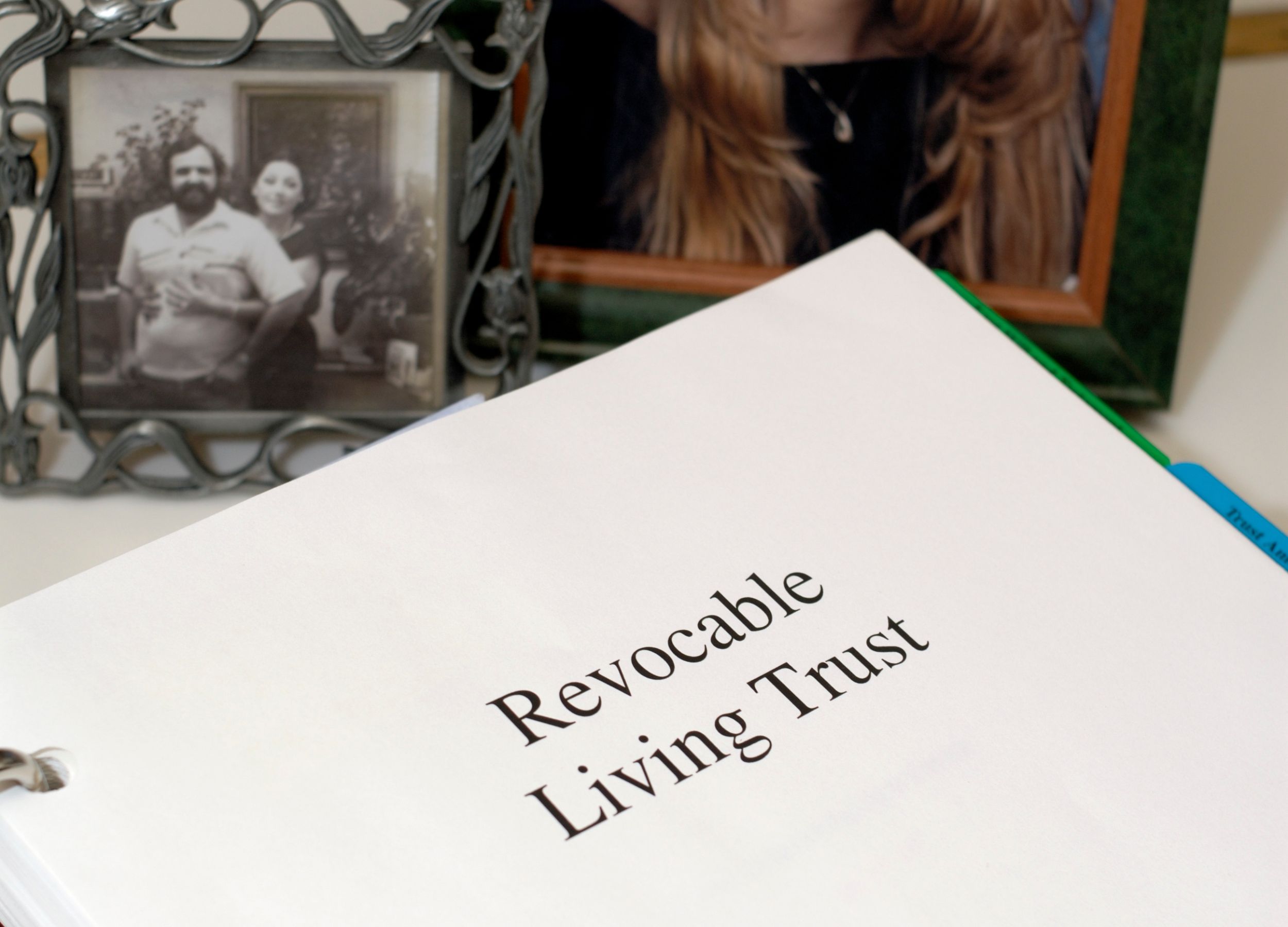
One of the most common questions families ask when beginning the estate planning process is simple: “Do I have enough for a Living Trust?” It’s an understandable concern. For decades, trusts have been associated with wealth, legacy estates, and complex tax strategies.
But here’s the reality—there is no minimum requirement.
A Living Trust is not reserved for the ultra-wealthy. Instead, it’s a practical, flexible tool designed to make life easier for you and your loved ones, regardless of the size of your estate. In New York, where probate can be time-consuming and public, even modest estates can benefit from the structure and efficiency a trust provides.
The “Wealth Myth” vs. Reality
It’s easy to see where the misconception comes from. Trusts are often discussed in the context of high-net-worth individuals and sophisticated tax planning. While they certainly play an important role in those scenarios, that’s only part of the story.
In truth, the value of a Living Trust has very little to do with how much you own.
Instead, it’s about control—control over how your assets are managed, who receives them, and how smoothly that transition happens. Whether you have a single home, a few financial accounts, or a growing portfolio, the question isn’t how much you have. It’s how you want those assets handled if something happens to you.
Why a “Regular” Estate Often Needs a Trust
Many people assume a simple will is enough. In some cases, it may be. However, even a relatively modest estate can encounter complications that a Living Trust is specifically designed to avoid.
First, a trust allows your assets to bypass probate. Probate is a court-supervised process that validates a will and oversees the distribution of assets. In New York, probate can take months—or longer—and involves legal fees, court costs, and administrative delays. For families without a large financial cushion, these costs can be especially burdensome.
Second, a Living Trust works during your lifetime. A will only becomes effective after death. If you become ill, injured, or otherwise unable to manage your affairs, your loved ones may need to seek court approval to step in on your behalf. A properly drafted trust allows your chosen successor trustee to act immediately, without court involvement.
Third, a trust preserves your privacy. Probate proceedings are public record, meaning details about your assets and beneficiaries can become accessible. A trust, on the other hand, keeps these matters private—something many families value more than they initially expect.
Is a Trust Always the Right Answer?
Of course, a Living Trust isn’t a one-size-fits-all solution. There are situations where a simpler plan may be appropriate. For example, if your estate is very small or your assets already pass directly through beneficiary designations, you may not need the added structure of a trust.
However, what appears “simple” on the surface can quickly become complicated. A single piece of real estate, such as a home, often triggers probate if it is not properly titled. Likewise, accounts without updated beneficiaries can create confusion, delays, or even disputes.
This is why working with a New York estate planning attorney is so valuable. Rather than focusing solely on numbers, a thoughtful plan considers your full picture—your family relationships, your goals, your health considerations, and the nature of your assets.
The Better Question to Ask
Instead of asking whether you have “enough” for a Living Trust, a more meaningful question is: “What is the most effective way to protect my family and simplify things for them?”
For many New York families, the answer includes a trust—not because of wealth, but because of the peace of mind it provides.
Waiting to reach a certain financial milestone before creating a plan can leave your family exposed to unnecessary risks. Life doesn’t always follow a predictable timeline, and having the right structure in place now can make all the difference later.
Planning Isn’t About Wealth—It’s About Protection
Estate planning is not about hitting a financial threshold. It’s about making intentional choices that protect your loved ones, reduce stress, and ensure your wishes are honored.
A Living Trust is one of the most effective tools available to accomplish those goals, regardless of the size of your estate.
If you’ve been putting off planning because you’re unsure whether you “qualify” for a trust, now is the time to revisit that assumption. We invite you to contact our office to schedule a consultation. We’ll help you evaluate your current situation, explain your options clearly, and design a plan that truly fits your needs.
Schedule a confidential consultation today. Be sure to mention this article during your consultation so we can focus on your specific concerns and guide you with personalized advice.
This article is a service of Miller & Miller Law Group. We do not just draft documents; we ensure you make informed and empowered decisions about life and death for yourself and the people you love.